Why Workers Hide Injuries: A Site Manager's Guide
The Hidden Danger of Unreported Site Incidents
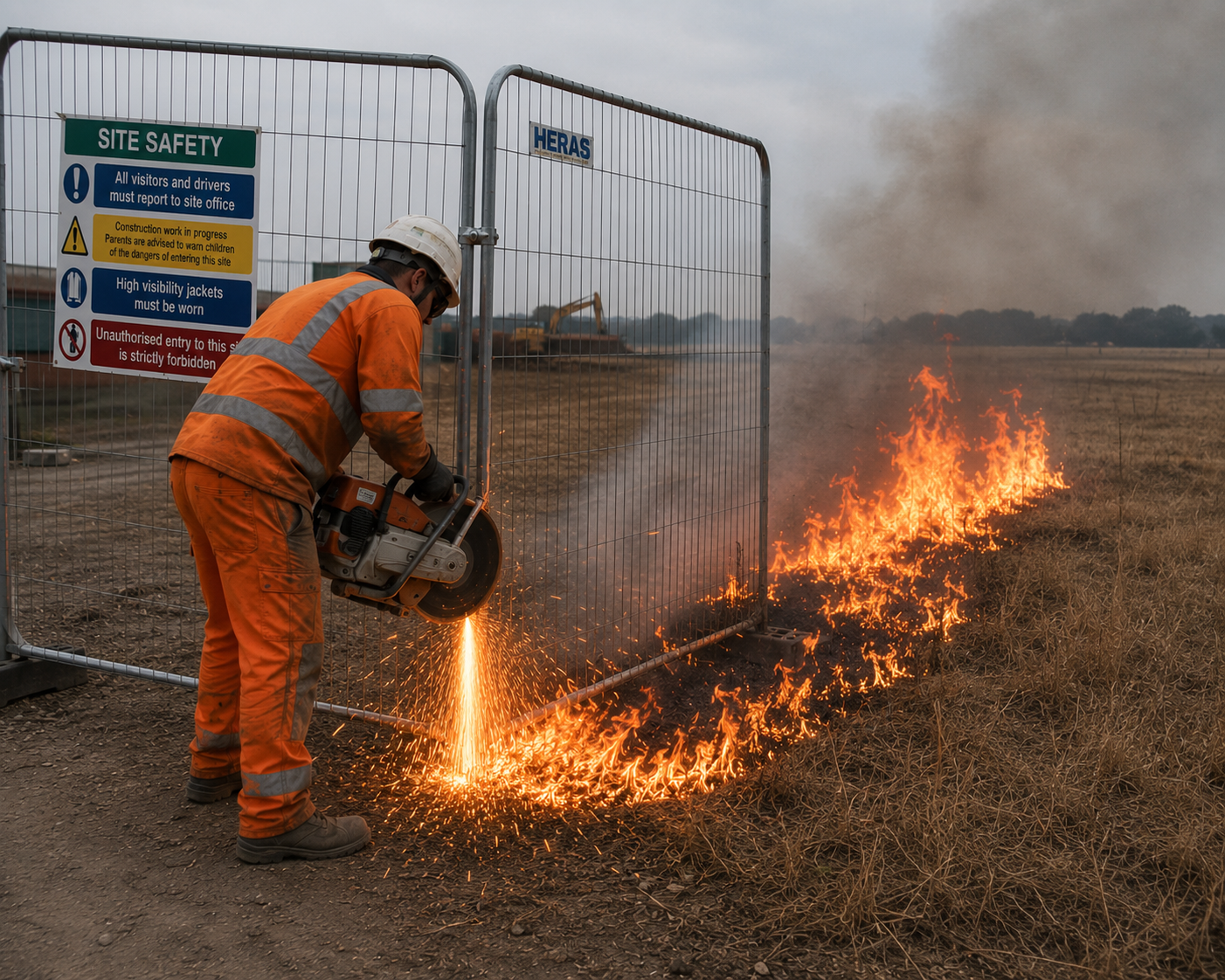
I was on a site the other day when I heard a story that, sadly, is all too common. A bloke had been tasked with cutting down a Heras fence on the perimeter, using a disk cutter. The area was surrounded by extremely parched scrubland, a tinderbox waiting to ignite.
As he worked, sparks from the cutter flew, landing in the dried grass. Within moments, a small fire erupted. In a desperate panic to extinguish it before anyone noticed – and, crucially, before he got into serious trouble – he rushed, stumbled, and in his haste, accidentally cut his leg with the disk cutter. He managed to put the fire out himself. However, none of this was reported. Not the fire, and certainly not his injury.
His immediate reaction wasn't to seek medical attention for his wound or to report a significant fire risk. His first instinct was pure, unadulterated fear: fear of losing his job, fear of the repercussions, fear of "getting into trouble". This isn't just about one individual's poor decision; it's a stark illustration of a pervasive issue in construction: the culture of silence around incidents and injuries.
The True Cost of Silence: More Than Just an Unreported Injury
When incidents like this go unreported, the consequences ripple far beyond the immediate injury. For the individual, an untreated or improperly treated wound can lead to infection, long-term complications, or chronic pain. But for the site and the wider company, the damage is even more profound:
- Missed Learning Opportunities: Every incident, no matter how minor, is a chance to learn and prevent recurrence. Without a report, the underlying causes are never investigated.
- Systemic Hazards Remain: In the Heras fence scenario, multiple failures were present: inadequate hot works planning, lack of fire watch, insufficient PPE, and the dangerous proximity of flammable materials. If these aren't reported, they aren't addressed, leaving the door open for a much larger, more devastating incident.
- Erosion of Trust: When workers feel they need to hide injuries, it signals a breakdown of trust between management and the workforce. This fear-based culture undermines all safety initiatives.
- Legal and Reputational Risk: Unreported incidents can lead to significant legal liabilities if they escalate or are eventually discovered. A serious accident that was preventable due to a known, but unreported, hazard can have severe legal and financial ramifications, not to mention irreparable damage to a company's reputation.
- Reinforced Negative Behaviours: If the individual "gets away with it," it reinforces the idea that hiding problems is preferable to reporting them, perpetuating the dangerous cycle.
A Domino Effect of Risks from the Heras Fence Incident
Let's break down the layers of risk and failure evident in that single, unreported event:
- Lack of Hot Works Permit & Fire Watch: Cutting metal creates sparks. On parched ground, this is an obvious fire risk. A proper hot works permit would mandate a clear fire break, fire extinguishers on hand, and a dedicated fire watch present during and after the work. None of this was in place.
- Environmental Hazard Awareness: The "extremely parched scrubland" was a critical factor. The risk assessment should have specifically identified this environmental condition and stipulated additional controls.
- Inadequate PPE and Training: While a disk cutter is inherently dangerous, proper PPE (fire-resistant clothing, appropriate eye protection, heavy-duty gloves) and refresher training on safe operating procedures could have mitigated the injury during the panic.
- Emergency Response Failure: The panic that led to the injury highlights a lack of preparedness for unexpected events. Had there been clear procedures for fire or injury, the worker might have reacted differently.
- Psychological Impact: The worker's immediate thought was self-preservation of his employment, not his physical wellbeing. This speaks volumes about the pressure felt by site personnel.
Building a Culture of Trust: Addressing the Root Causes
How do we prevent such situations and ensure that workers prioritise their safety and the safety of others over the fear of punishment?
Open Communication and No-Blame Reporting
The cornerstone of a safe site is trust. Management must actively foster an environment where reporting incidents – and even near misses – is seen as a positive, constructive action, not an admission of guilt. This means:
- Clear Messaging: Regularly communicate that safety is paramount, and honest reporting is valued. Emphasise that the goal is to learn and prevent future incidents, not to assign blame.
- Confidentiality: Where appropriate, offer options for anonymous or confidential reporting, especially for sensitive issues.
- Support, Not Sanctions: If an injury or incident occurs, the first response should be support for the individual and a focus on getting them the help they need, followed by an objective investigation. Disciplinary action should only be considered for gross negligence or deliberate disregard for safety rules, and this distinction must be clear.
Clear Reporting Mechanisms and Training
Reporting needs to be straightforward, accessible, and quick. If the process is cumbersome, time-consuming, or requires navigating complex paperwork, it acts as a deterrent.
- Simplify the Process: Ensure there are clear, easy-to-understand steps for reporting.
- Accessible Tools: Provide tools that allow for immediate, on-the-spot reporting from any location on site.
- Comprehensive Training: Regularly train all personnel on what constitutes a reportable incident (including near misses and unsafe conditions), why reporting is crucial, and exactly how to do it.
Proactive Risk Assessment and Control
Prevention is always better than cure. Robust risk assessments and method statements are essential. Revisit the Heras fence incident: a thorough risk assessment would have identified the hot works, the flammable surroundings, and mandated controls such as:
- Issuing a specific Hot Works Permit.
- Designating a clear "hot work zone" free of combustibles.
- Providing fire extinguishers and training in their use.
- Assigning a dedicated fire watch for the duration of the work and for a period afterwards.
- Specifying appropriate PPE for the task and environment.
These proactive measures reduce the likelihood of incidents occurring in the first place, thus reducing the number of incidents that need to be reported.
Timely Investigation and Feedback
When an incident is reported, it's crucial to follow through. A thorough investigation isn't about finding fault; it's about uncovering root causes. Share the findings and the lessons learned with the entire team. This demonstrates that reports are taken seriously and lead to tangible improvements, reinforcing the value of reporting.
Empowering Your Team with the Right Tools
In today's fast-paced construction environment, site supervisors, engineers, and foremen need tools that streamline safety processes without adding to their workload. This is where Safety Parrot comes in.
Imagine the Heras fence scenario being reported in seconds. With Safety Parrot, workers or supervisors can simply snap photos of an unsafe condition, a near miss, or an injury, and the AI-powered system instantly turns these site photos into structured safety reports. It facilitates quick, on-the-spot creation of risk assessments and method statements, directly from a phone or tablet. This ease of use – available on iOS, Android, and the web at safetyparrot.app – removes the friction from reporting, making it less intimidating and more accessible.
By simplifying the reporting process, Safety Parrot helps to cultivate that vital culture of openness. When reporting is easy and immediate, the barriers of fear and hassle begin to break down, allowing valuable safety data to be captured and acted upon.
Beyond Compliance: A Commitment to Well-being
The story of the worker who cut his leg to hide a fire is a powerful reminder that safety isn't just about rules and regulations; it's about people. It's about creating an environment where every individual feels valued, protected, and empowered to do the right thing, even when under pressure. By addressing the root causes of under-reporting – primarily fear and cumbersome processes – we can move towards truly safer construction sites, where everyone goes home unharmed, every single day.
Tired of doing this by hand?
Safety Parrot does it automatically, in one click. Free trial, no card needed.
Try Safety Parrot free